Originally reported November 16, 2026.
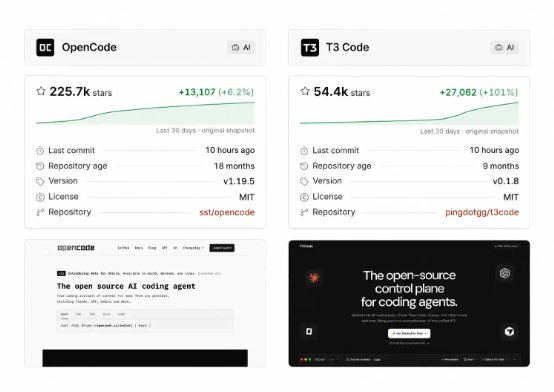
T3 Code is an open-source interface for working with multiple AI coding agents. In a podcast interview with Joel Hooks, adapted and edited by InfoQ, creator Theo Browne described why his team built it and how he thinks software teams should prepare for agent-assisted development.
Browne said T3 Code grew out of his and lead engineer Julius’s experience with the Codex desktop app. They liked its graphical workflow but could not modify the closed-source desktop application when changes disrupted how they worked. After an unsuccessful attempt at a native app, Browne said, the team built T3 Code with Electron.
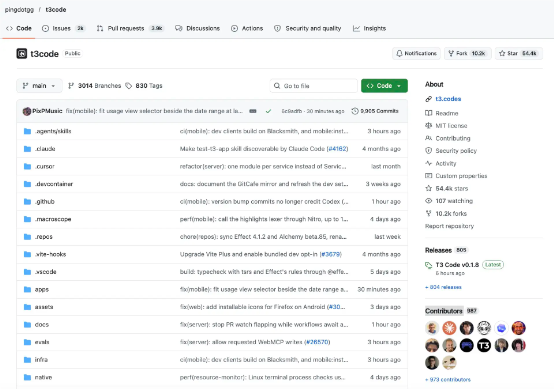
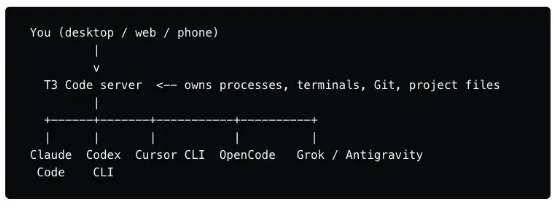
According to Browne, T3 Code runs a WebSocket server that connects to coding tools on a user’s computer. Its desktop, web and mobile interfaces can then access work running on that computer, including from another machine. The interface supports tools such as Codex and Claude Code rather than requiring users to get their models from T3 Code. The project is released under the MIT license; users provide their own model subscriptions.
The conversation also turned to what agents need from a codebase. Browne argued that type safety, tests, CI checks and easy-to-open preview environments become more useful when agents make changes: they give both agents and reviewers ways to detect problems before code reaches users. He described using natural-language criteria in AI-assisted PR reviews alongside conventional checks, while acknowledging that those reviews are not perfect.
His broader advice was to automate parts of work a team already understands—not use AI to avoid learning how that work succeeds or fails. Those are Browne’s views, rather than a claim that agents can reliably replace a team’s existing safeguards.
Source: infoq.cn (originally published 2026-11-16 14:44 UTC+8)