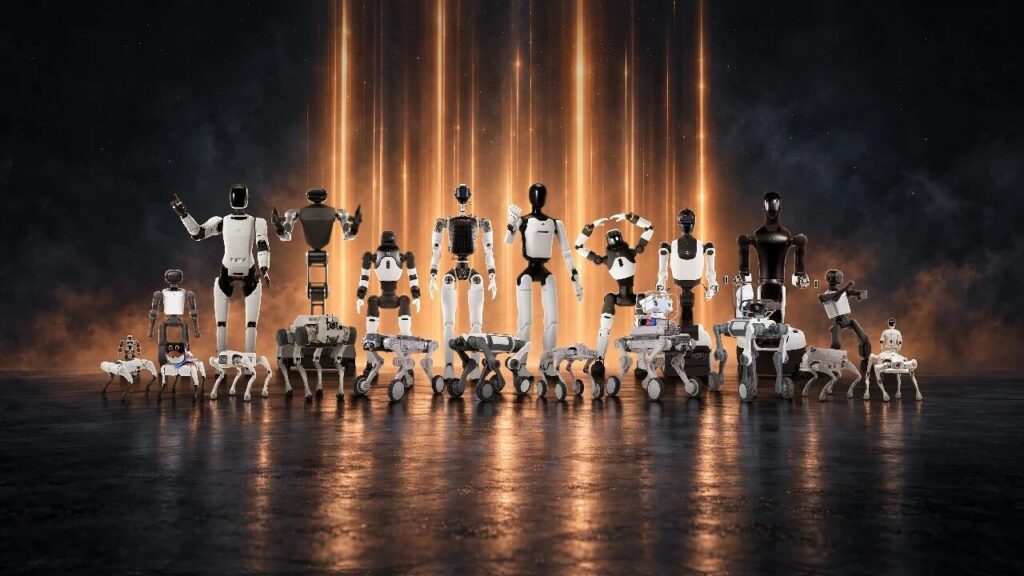
Faraday Future said on November 13, 2026, that the robotics business acquired by FF EAI Robotics Ecosystem Inc. (Nasdaq: FFR) generated approximately $2.3 million in revenue during the nine months ended September 30. The figure comes from unaudited, standalone financial data; the acquisition closed after the third quarter, so the business’s results were not included in FFR’s third-quarter consolidated statements.
The acquired business recorded approximately $593,000 in gross profit, a gross margin of about 26%. Research and development accounted for 26.2% of total operating expenses. It had no outstanding borrowings or convertible debt as of September 30.
FFR completed its merger with Faraday Future’s robotics assets and listed on October 23. Its leadership includes CEO Jia Yueting, executive chairman Jerry Wang, lead independent director Chen Shi and independent director Jason E. Dodier.
Products, deliveries and plans
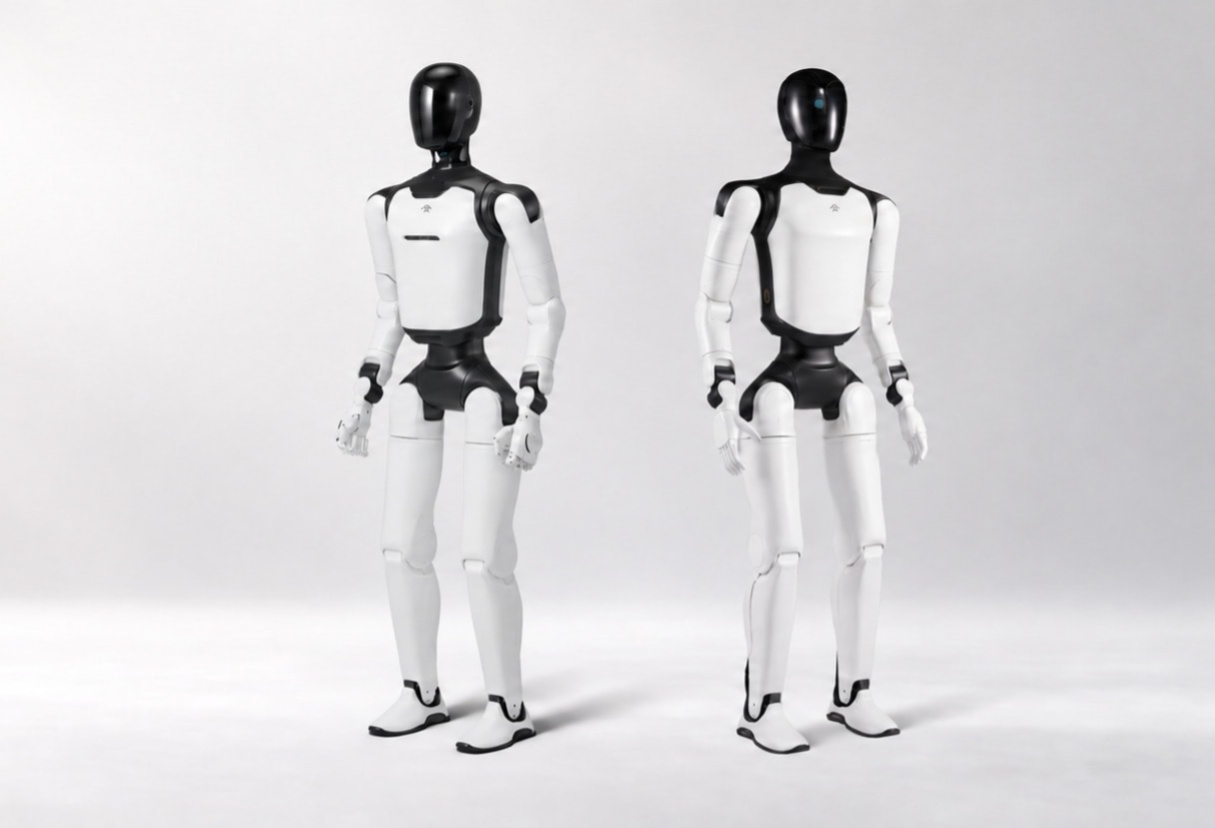
FFR said it sold and shipped 351 robots in October, bringing its cumulative total to 1,168 by month-end. It said its FF Robot World 2.0 lineup includes more than 20 robot models. For full-year 2026, the company reiterated a target of approximately 2,000 robots sold and shipped by the acquired business on a standalone basis, with deliveries continuing to generate positive gross margin. That figure is guidance, not a reported result.
The company describes four business areas: its Physical AI brain and developer platform, robot hardware, industry productivity solutions, and a data factory. It said its RoboShare platform has more than 100 robots listed and 10 third-party companies participating, and has deployed multiple robots at paid commercial events. In security and inspection, it reported proof-of-concept work, sales and deliveries, as well as contracts with North American integrators and distributors. It aims to complete a proof of concept in a real industrial setting in the first quarter of 2027.
FFR also reported progress in K–12 education and said its data factory has delivered orders and received payment. It plans to expand RoboShare’s event-business efforts starting with Chicago and Dallas, use New York as a base for further expansion, and build a sales network across five states and 30 cities. Separately, it aims to begin factory production by the end of 2026 and produce its first robot model at its US factory in the first quarter of 2027. These are company plans, not completed milestones.
FFR said its FF OmniMind models ranked first overall on the RoboColiseum robot-model simulation leaderboard as of November 6. That ranking reflects performance in simulation, not demonstrated capability in real-world deployments.
Source: ithome.com (originally published 2026-11-13 08:04 UTC+8)