
Originally reported November 9, 2026.
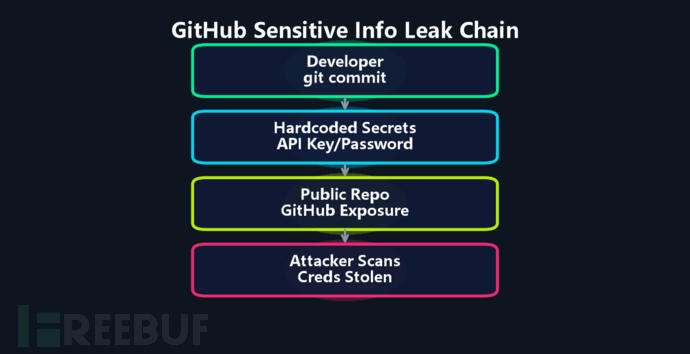
Credentials committed to a code repository can remain accessible in its history even after they are deleted from the latest version. In a FreeBuf article, the author describes GitLeakScan, a Python tool they say scans directories for five kinds of exposed information: hard-coded API keys, secrets in .env files, credentials in configuration files, internal URLs, and credentials left in comments.
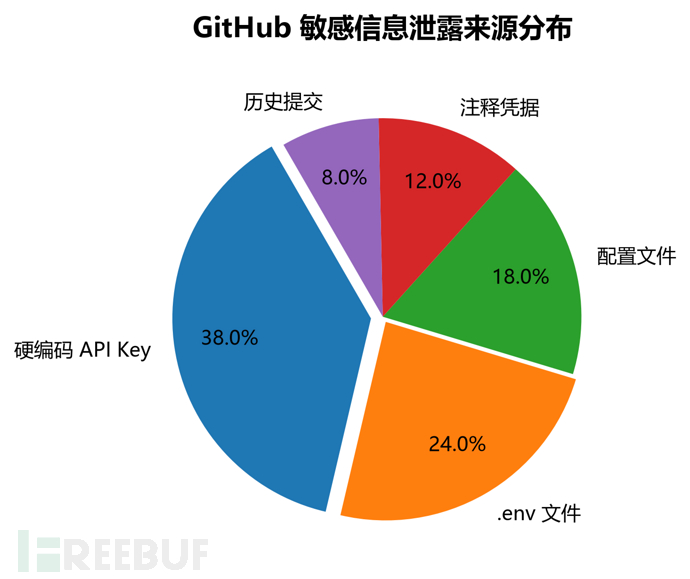
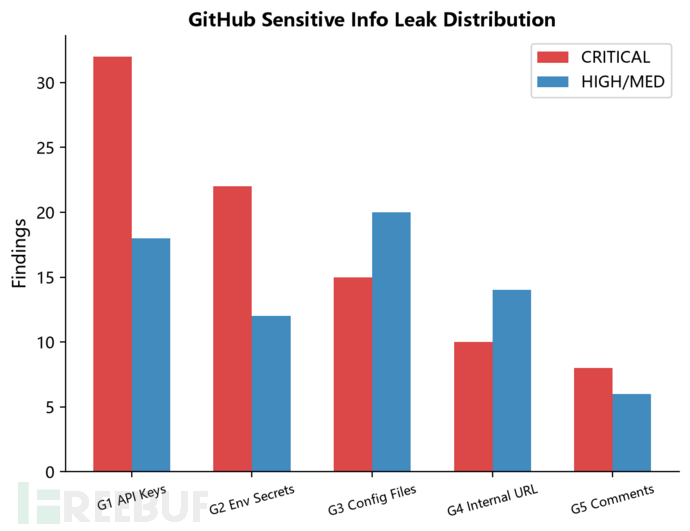
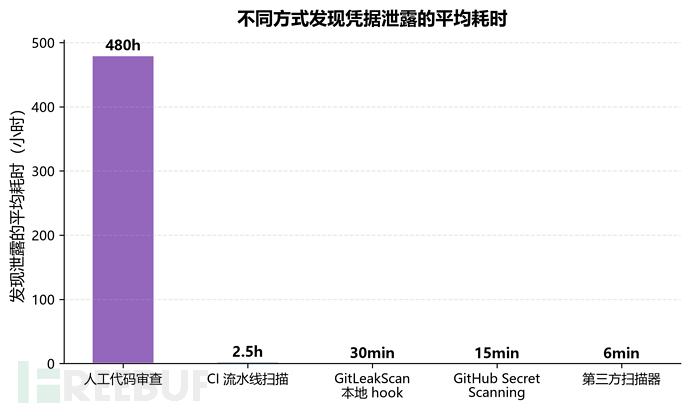
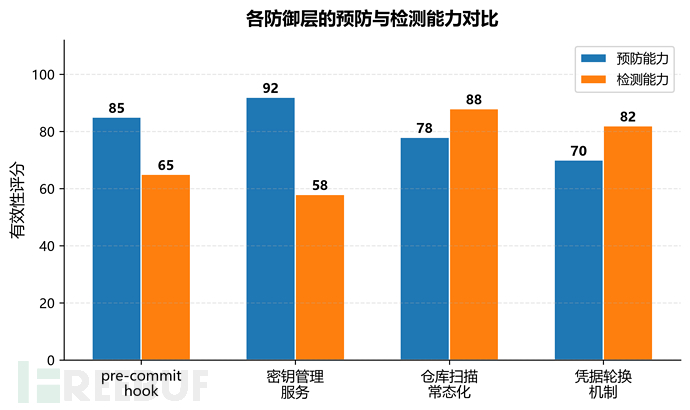
The author says the scanner uses regular-expression rules, skips .git and binary files, and labels matches by type and risk level. It has a built-in demonstration mode and a mode that accepts a directory path. The article shows demonstration output, not an independently verified test against real repositories. Its detection-rate figures and comparative scores for security measures are not accompanied by a methodology, so they should not be treated as established performance benchmarks.
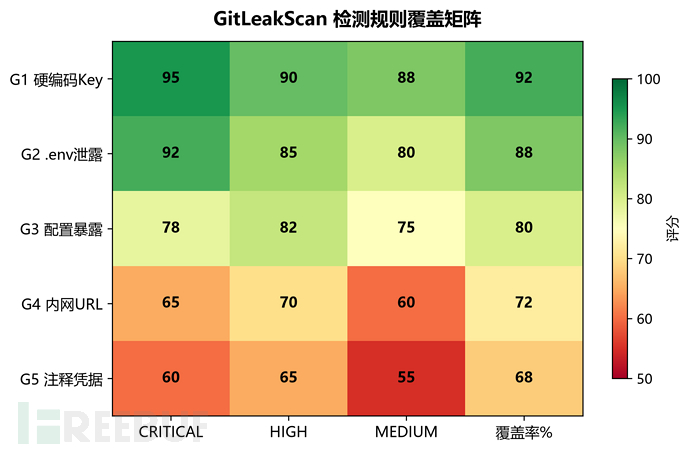
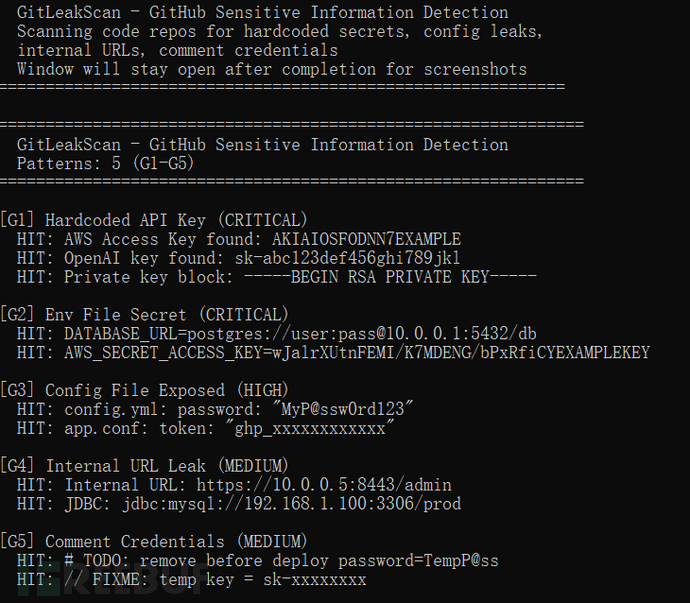
The practical distinction is between finding a possible secret and containing a leak. The article recommends scanning before commits and in CI, keeping credentials out of source code, and using a secrets-management service for production credentials. If a credential has already been exposed, deleting it from the current file is not enough: the author advises revoking or rotating it, checking for unauthorized use, and addressing copies in repository history. A scanner match also needs review—an internal URL, for example, is not itself a credential.
Source: freebuf.com (originally published 2026-11-09 11:50 UTC+8)