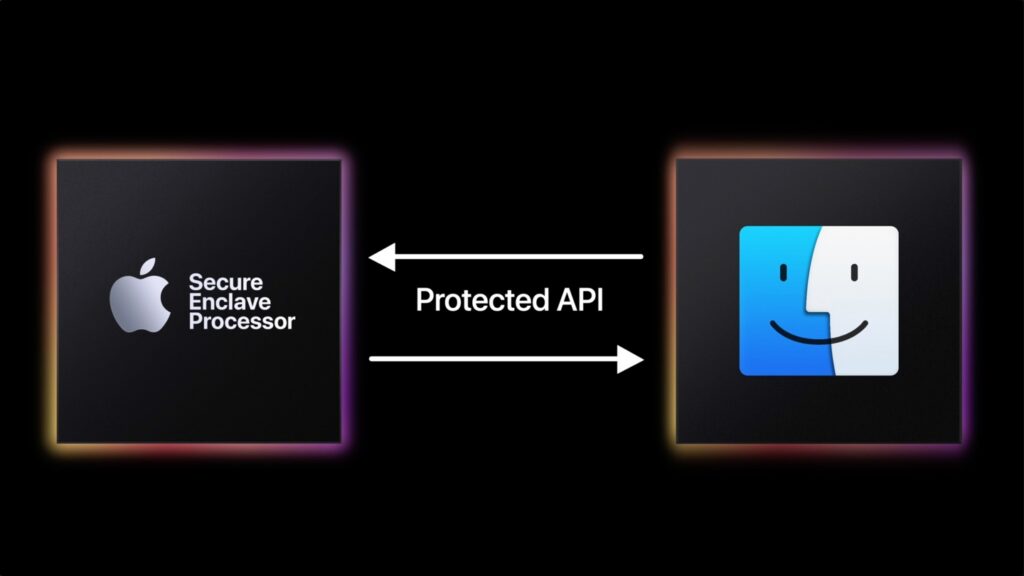
Apple’s security and Core OS teams described Secure Exclaves in a November 12, 2026, article on ambient sensing. According to Apple, the architecture lets devices process camera and microphone input without giving the main operating system, apps or Apple access to the raw audio and video used in that mode. The raw data is discarded after processing; only necessary metadata is passed on.
Secure Exclaves run in a processor execution environment separate from the main operating system and use a custom L4 microkernel. Apple says a Secure Page Table Monitor (SPTM) prevents even the main OS kernel from reading memory reserved for an exclave. A Swift-based mechanism called Secure IPC limits exchanges between components to predefined interfaces and authorized resources.
Apple also describes an Exclave Indicator Controller that governs when full sensor data may leave the isolated environment. If an app needs that access, the appropriate camera or microphone indicator must first be displayed for the required visible period. On devices with on-screen indicator dots, a separate display exclave checks the pixels actually shown—including their color, shape, duration and brightness—rather than relying solely on the OS to draw the indicator.
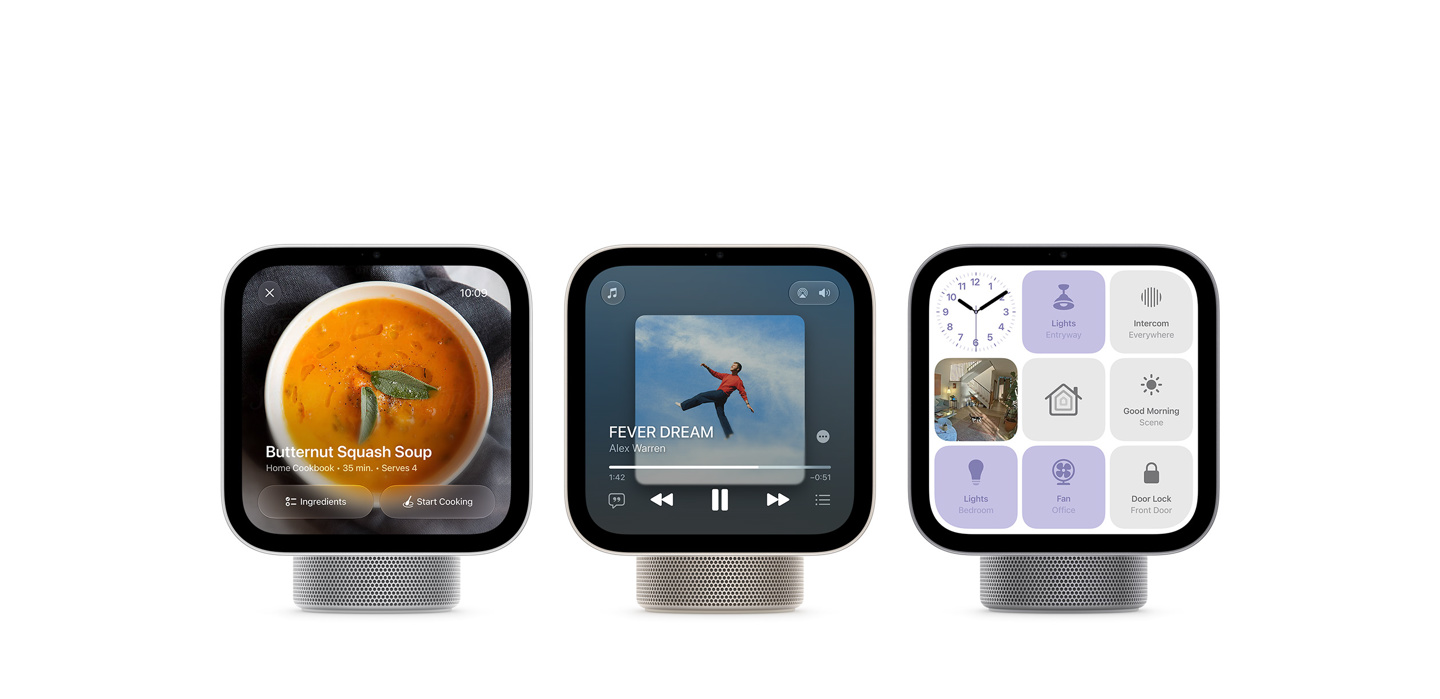
For HomeView, Apple says camera and microphone exclaves can recognize up to six enrolled users and determine whether they are nearby. Inference uses an isolated neural-engine queue. The main OS receives metadata such as a user identifier, location and recognition confidence—not the original images or audio—and can use it to adjust what is shown in Calendar, Messages and Apple Music.
Apple gives “Hey Siri” on the iPhone 18 Pro as another example. An always-on processor first listens at low power for a possible wake phrase. An audio exclave then processes the buffered audio, and a Siri exclave performs a second recognition step. Before confirmation, the main OS receives a notification that Siri should wake, not the audio. Audio can be sent to Siri services once the user is actively interacting and the microphone indicator and security checks are complete.
The report also says Secure Exclaves support camera and microphone on-screen indicators on the iPhone 18 Pro, iPhone 18 Pro Max and iPhone Duo, and camera indicators on the MacBook Neo and HomeView. Apple says the microkernel uses capability-based permissions and that it has formally verified parts of its C implementation against functional specifications. That verification is being carried out incrementally and does not yet cover the entire microkernel.
Source: ithome.com (originally published 2026-11-12 13:17 UTC+8)