
Canon’s EOS R7 was Digital Camera World’s overall APS-C mirrorless pick in its November 25, 2026 comparison. The strongest case for it was action photography: its autofocus kept up with figure skaters and birds in flight, and its 32.5-megapixel files left room to crop a distant subject. But the R7 didn’t lead every test, and its top shooting speed comes with a limit that matters during a long burst.
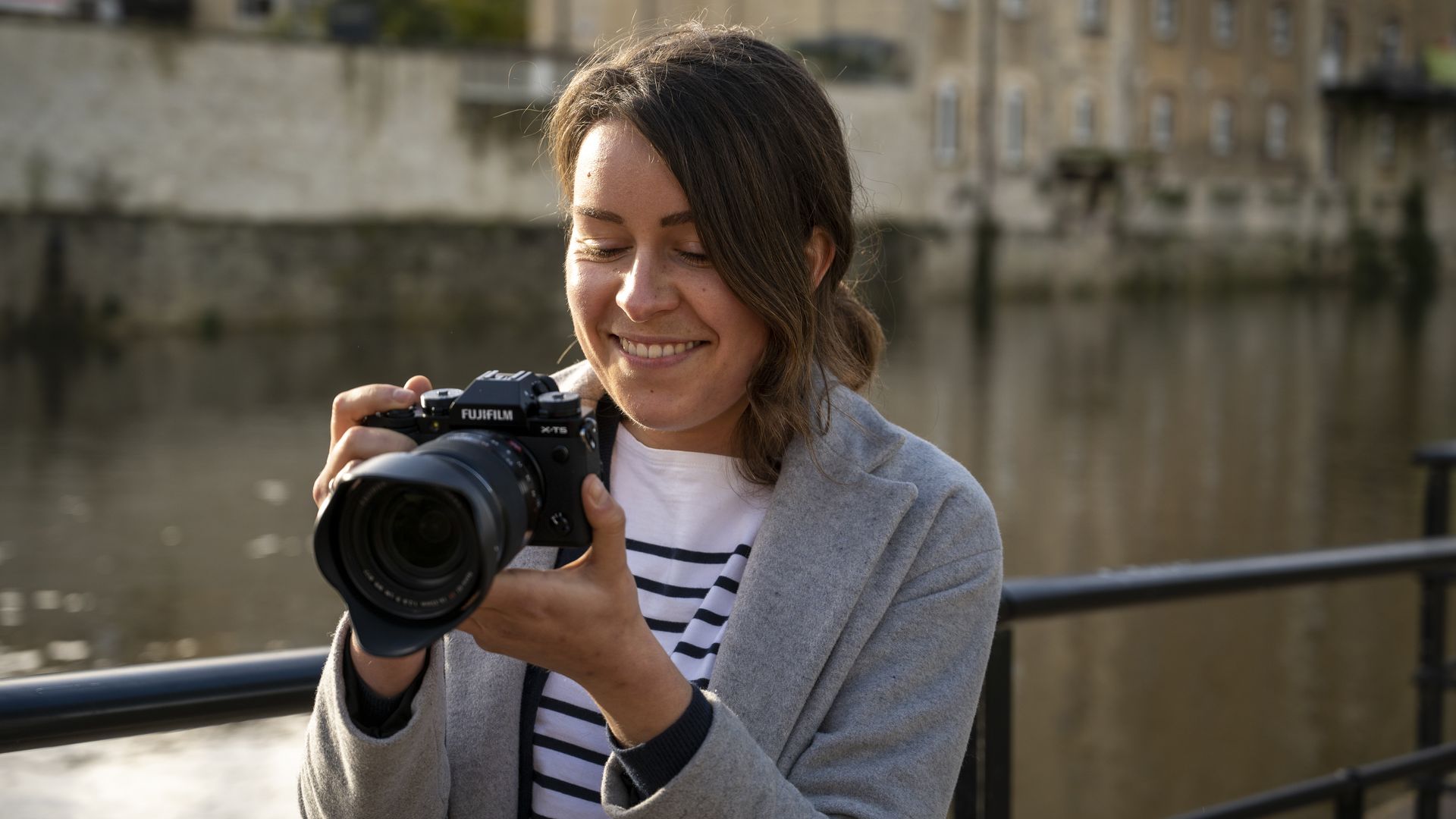
Sports and wildlife: Canon EOS R7 or Nikon Z50 II
Both cameras can shoot at 30 frames per second, but they get there on different terms. The R7 reaches 30fps with its electronic shutter and 15fps with its mechanical shutter. Its buffer holds 46 RAW files or 184 JPEGs, so timing a burst still matters. Canon’s 1.6x crop factor helps with distant subjects: an 800mm lens gives the field of view of a 1,280mm lens on full frame, without changing the lens’s actual focal length.
The less expensive Nikon Z50 II shoots at 11fps with its mechanical shutter. Its 30fps electronic mode is limited to JPEG or HEIC rather than RAW, and fast movement can produce rolling-shutter distortion. Nikon offers a useful advantage for unpredictable action, though: pre-release capture can save frames from before the shutter button is fully pressed. Reviewers found its subject-detection autofocus quick and accurate. The trade-offs include a lower 20.9MP resolution and no in-body stabilization.
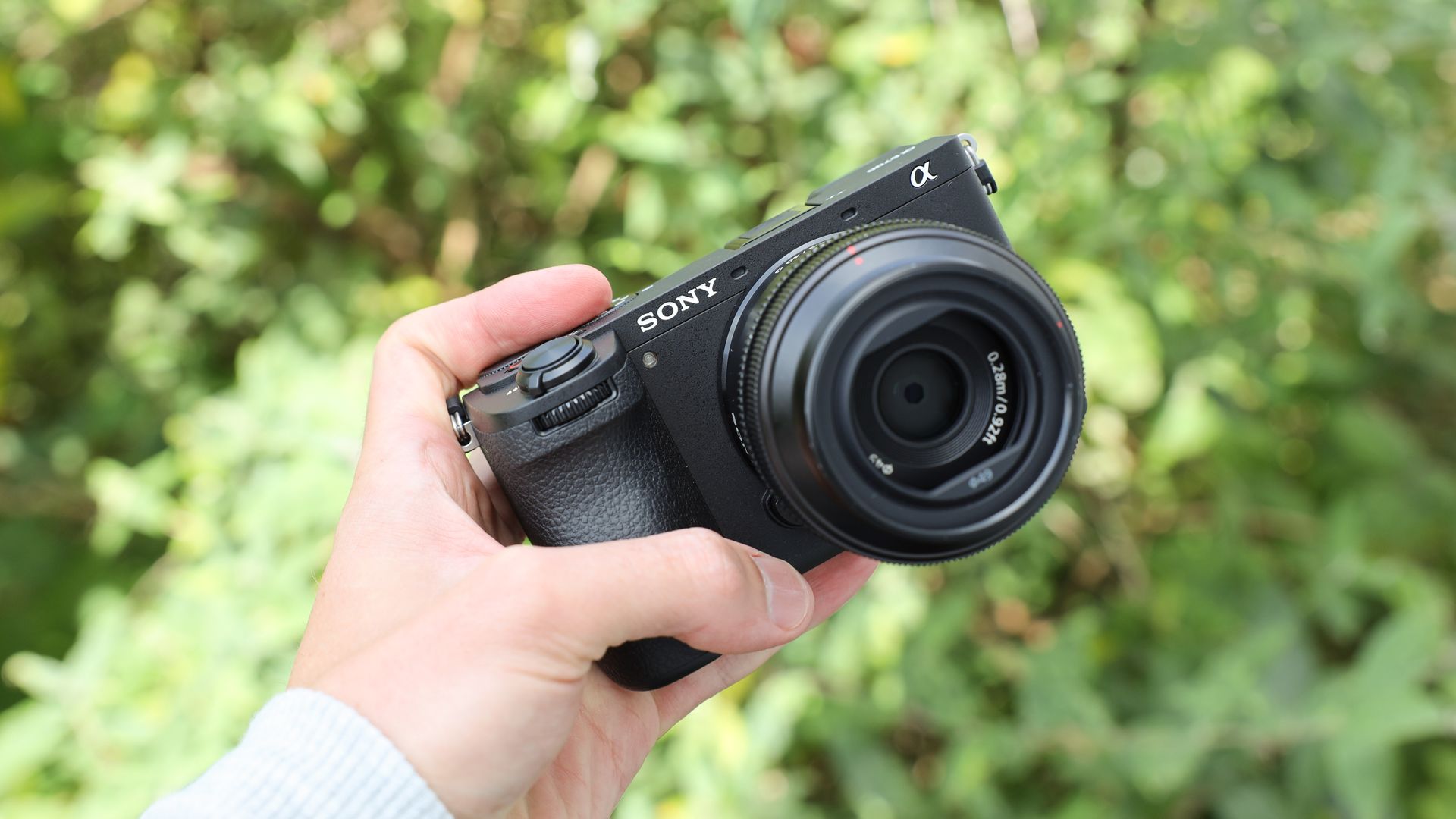
Still photography: Fujifilm X-T5 for detail, Canon EOS R100 for learning
The 40.2MP Fujifilm X-T5 recorded the highest resolution in the publication’s lab comparison, making it a strong choice for large prints or tight crops. Physical dials and an X-mount lens with an aperture ring let photographers adjust exposure without navigating menus. Film Simulation modes offer another reason to choose it: photographers can select the look of a classic film stock when shooting JPEG rather than recreate it in editing. The reviewer found its subject-detection autofocus capable, but not on the level of the R7 or Sony A6700.
The 24.1MP Canon EOS R100 takes a different approach. Its guided menus show beginners what each mode does, while Creative Assist lets them change brightness or background blur before learning to control exposure manually. At 356g, it was the lightest camera in the comparison. Its limitations are more noticeable for video: the rear screen is fixed and does not support touch, while 4K recording tops out at 25p, adds a 1.55x crop and lacks Dual Pixel autofocus in that mode.

Travel and video: Sony A6700 or FX30
For travelers who switch between photos and video, the 493g Sony A6700 combines a 26.1MP sensor, an electronic viewfinder, five-axis stabilization and 4K recording at up to 120p. Its 11fps stills burst is slower than the R7’s, but a deep buffer and subject-tracking autofocus help it follow action. The side-opening screen and separate microphone and headphone sockets make it practical for video, though the reviewer found the viewfinder dated and the compact body less comfortable with large lenses.
The Sony FX30 makes more sense when the camera will spend most of its time recording video. Five mounting points let filmmakers attach accessories without a cage. It offers 4K oversampled from 6K, a cropped 4K 120p mode and dual base ISO settings of 800 and 2,500 in S-Log3. Some recording formats require a more expensive CFexpress Type A card. There’s no viewfinder, and in practical testing the stabilization handled slow pans better than walking shots. Sony’s Catalyst Browse software can use recorded gyro data to steady footage afterward, at the cost of an extra editing step.
The lab results help put the overall recommendation in perspective. Of the five cameras measured, the X-T5 resolved the most detail, the Z50 II recorded the highest peak signal-to-noise ratio, and the R7 reached the highest peak dynamic range. The FX30 had been tested in use but not in the lab. For buyers, the deciding question is less which body tops a chart than which limitation will show up in their work: a short RAW burst, a cropped video mode, or a camera that balances poorly with the lens they plan to carry.