Uber’s internal marketplace grew from one AI agent skill in October 2025 to more than 5,000 within a year. In a November 23, 2026 engineering report, Uber said its agents had invoked skills more than 1 million times in a single month. To find out whether a frequently used skill actually helps, its engineers replay real requests with and without the skill, then ask a judge to compare the answers without knowing which is which.
One skill guides agents through data warehouse queries. In Uber’s tests, agents working without it made 13% more tool calls, encountered six times as many tool errors and took 31% longer. The answer produced with the skill won 87% of the blind comparisons. Across the heavily used skills Uber tested, the biggest gains came from giving agents access to information or tools they struggled to find or use on their own.
One workflow, shared across agents
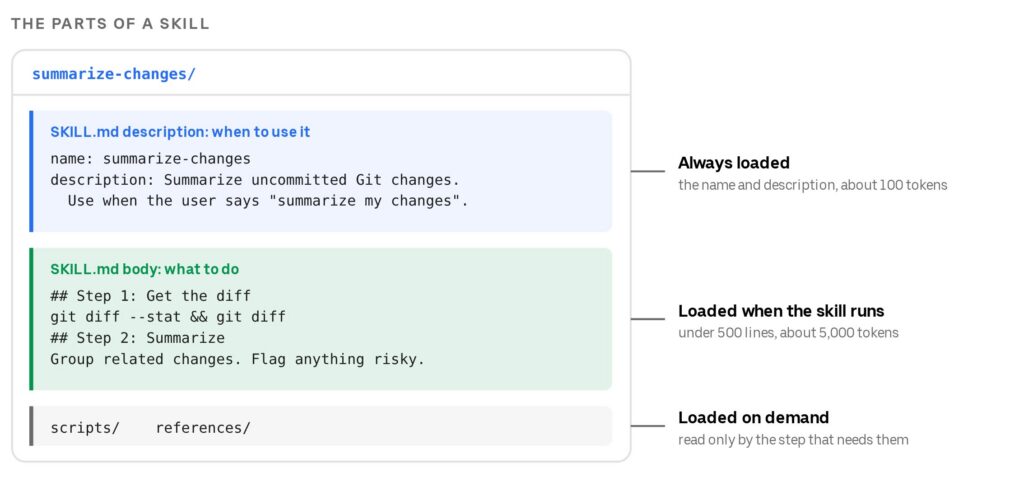
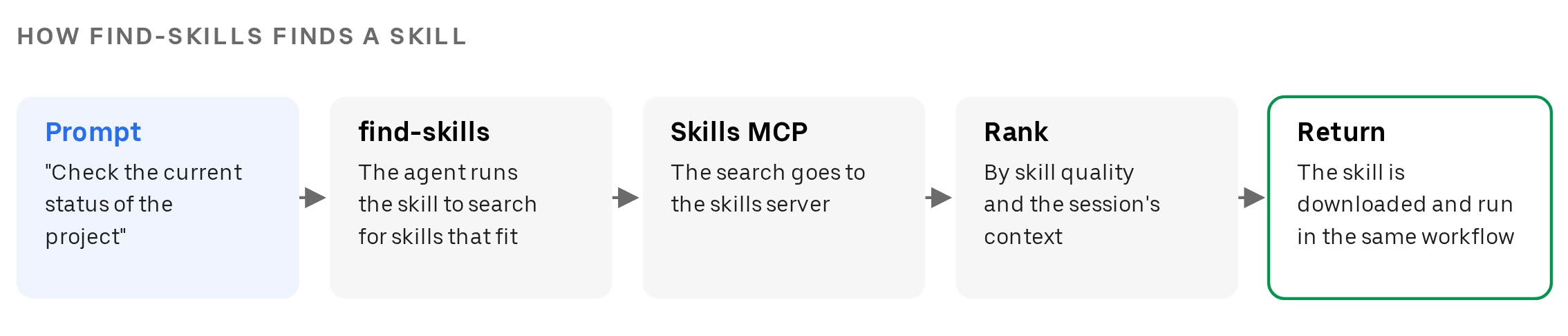
A skill packages the instructions for one job, such as reviewing a pull request or retrieving metrics. An agent initially loads only the skill’s name and description, about 100 tokens. It reads the instructions in SKILL.md when it uses the skill and loads supporting scripts or references only when a step calls for them.
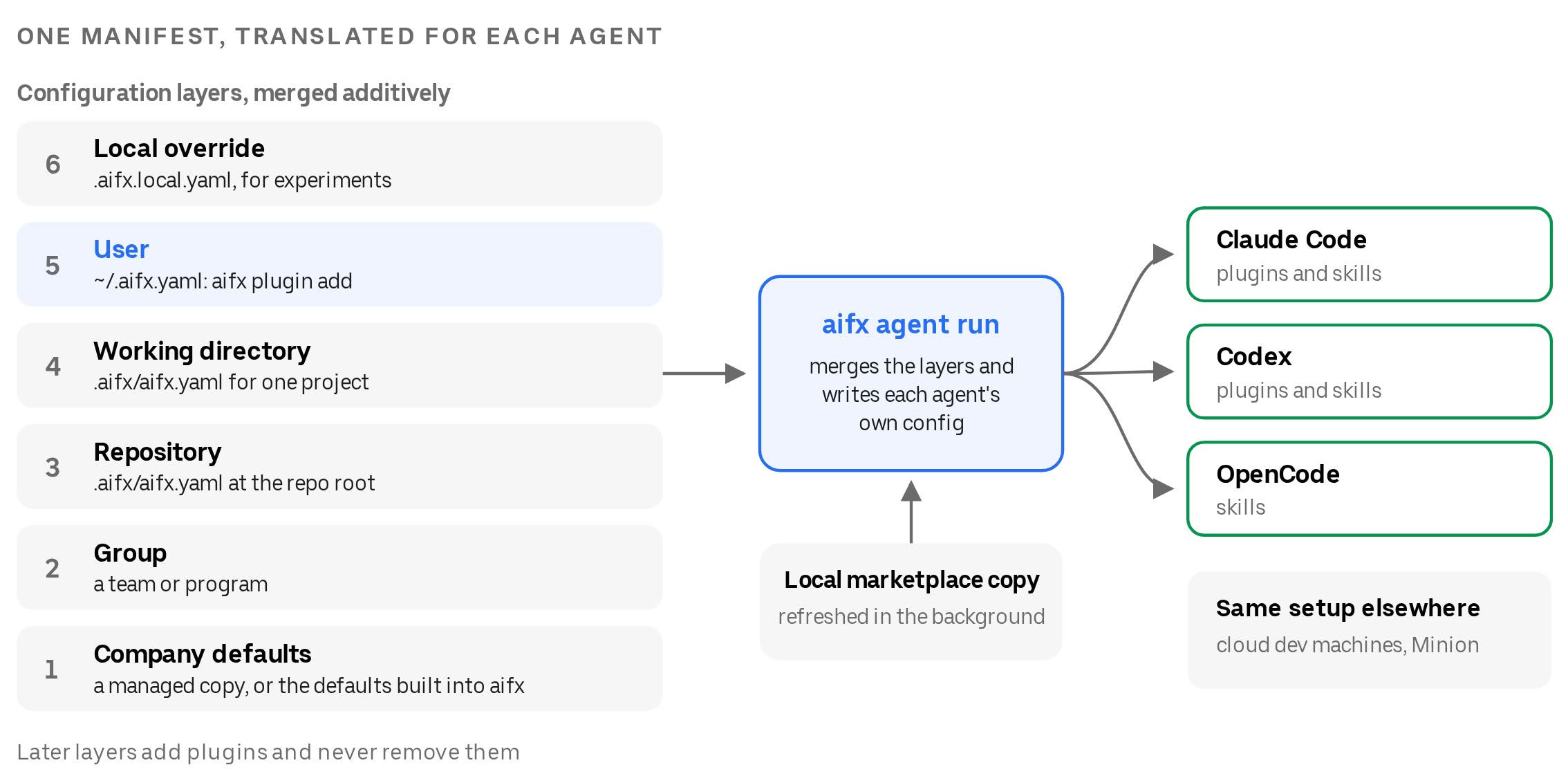
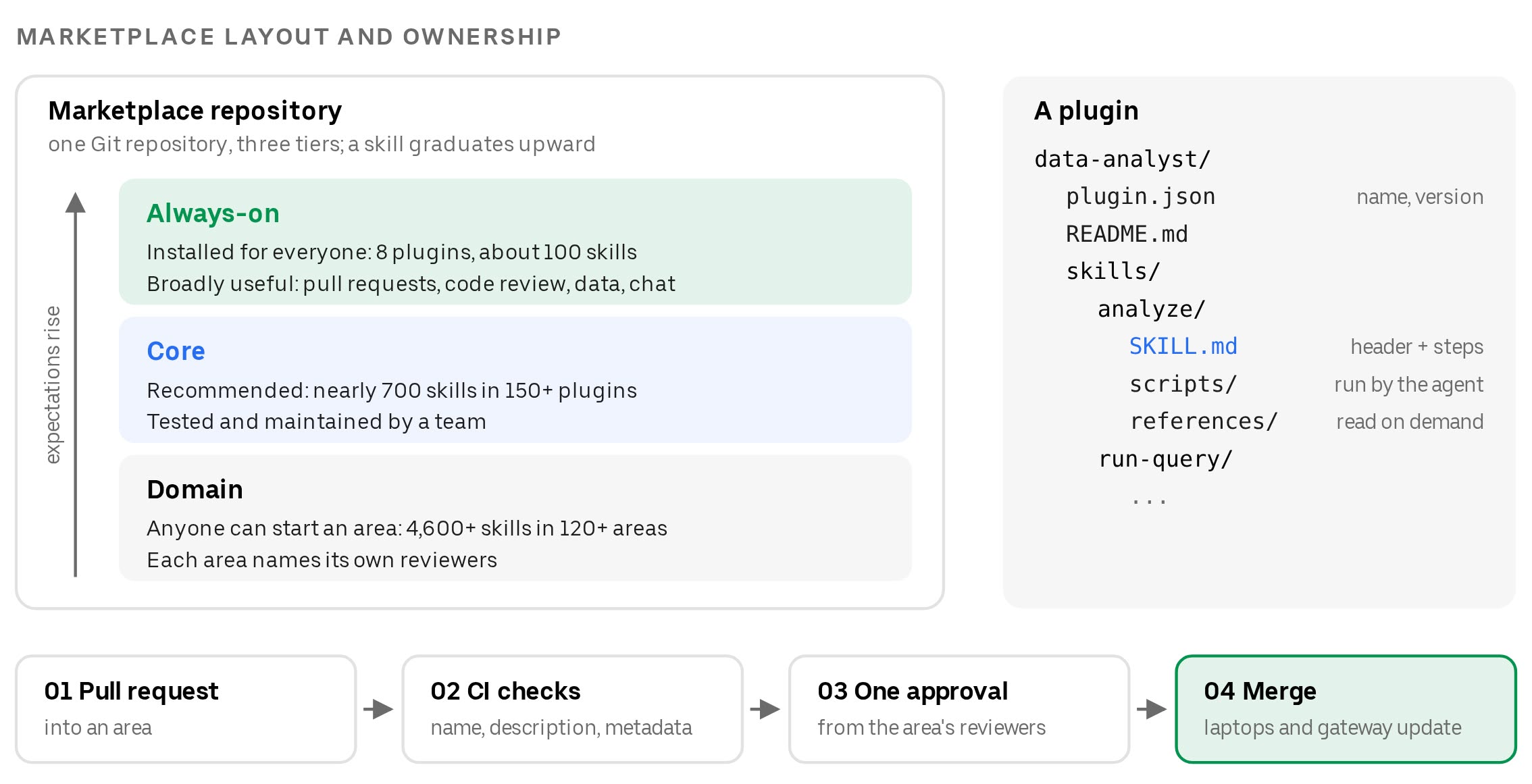
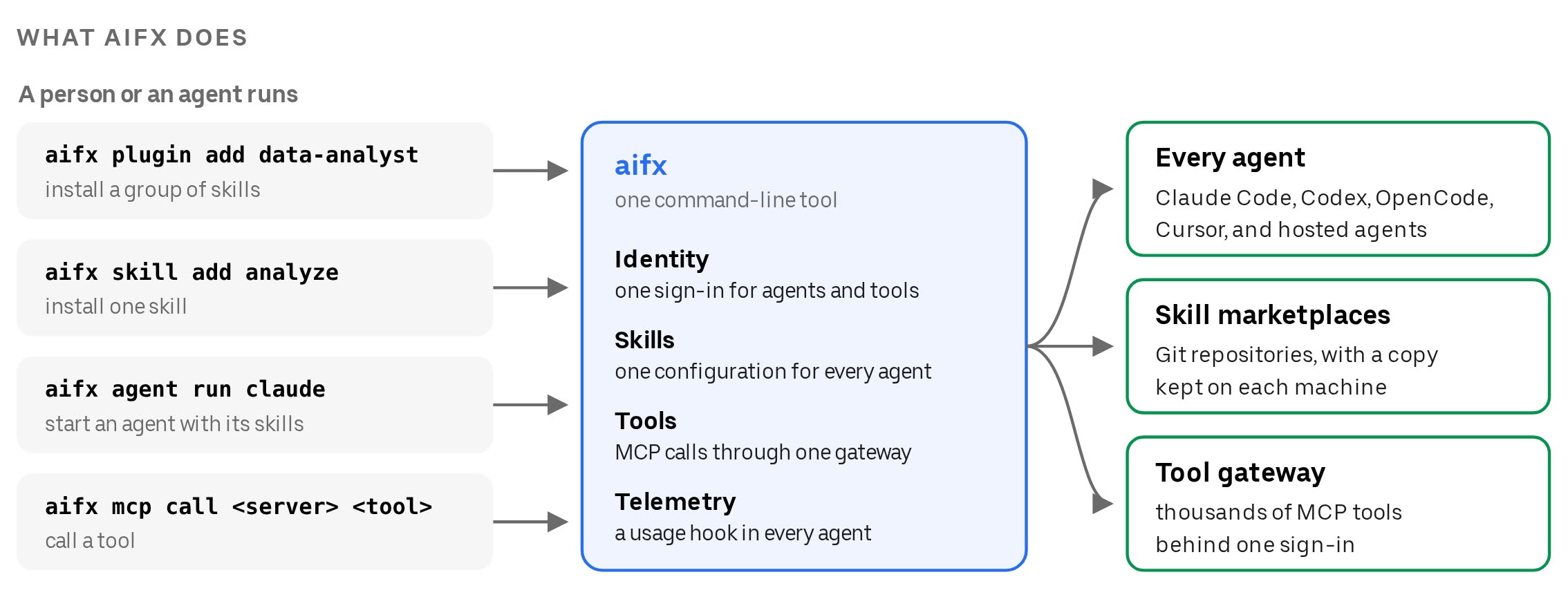
Uber keeps the skills in a shared Git repository. Teams can publish in their own area after one peer approval and an automated check. Widely used skills can move into a tested, recommended collection where the platform team reviews every change. About 100 broadly useful skills are enabled for everyone. Uber’s aifx command-line tool carries an employee’s selections across agents, so switching from Claude Code to Codex or OpenCode does not mean reinstalling the same workflows.
Testing the steps as well as the answer
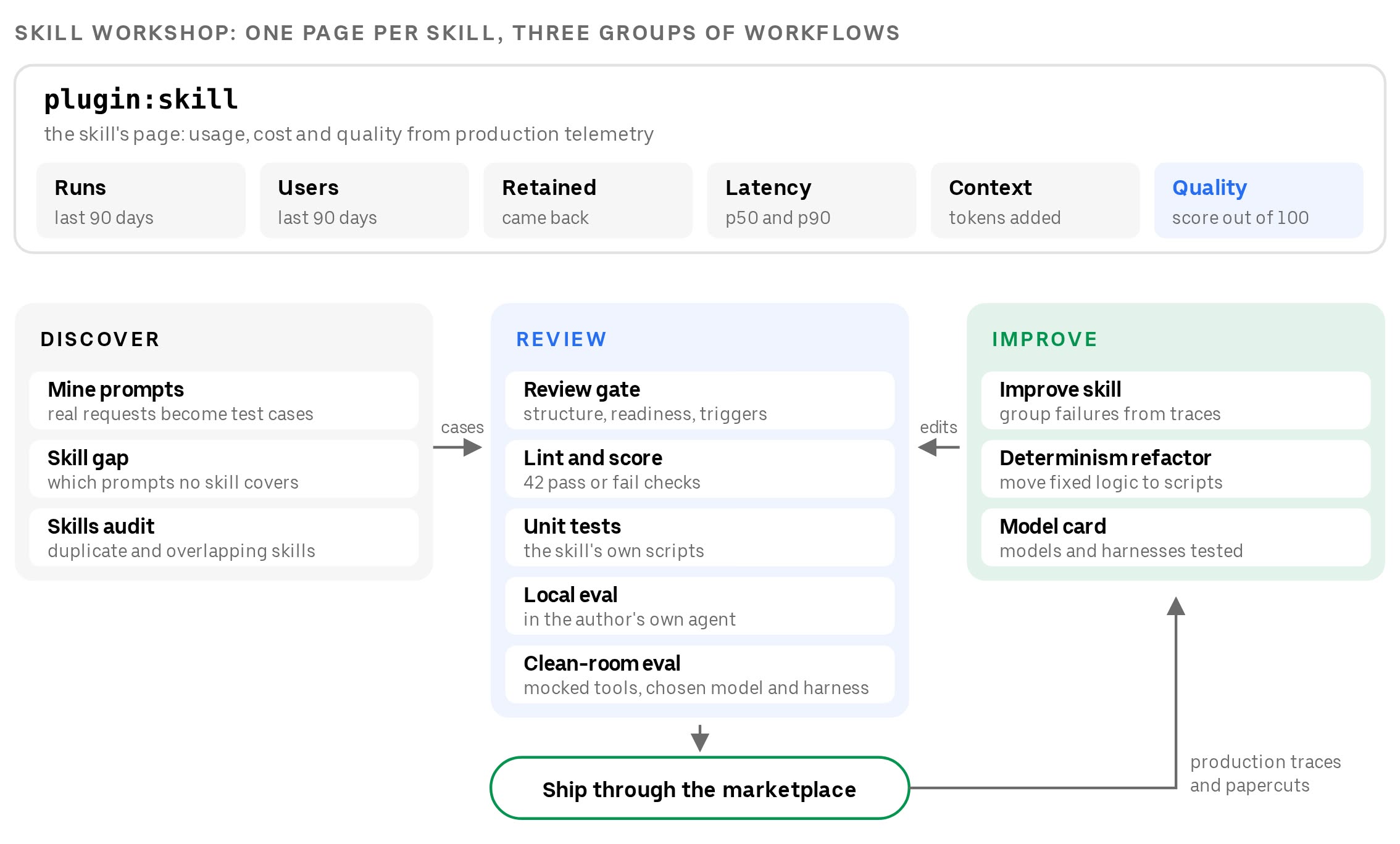
Authors use Uber’s Skill Workshop to specify what a skill must produce, which tool actions it requires or forbids, and which agents and models it supports. Workshop generates instructions and test prompts from that specification. Running the tests away from the author’s laptop has exposed dependencies on local file paths, cached documents and operating-system tools.
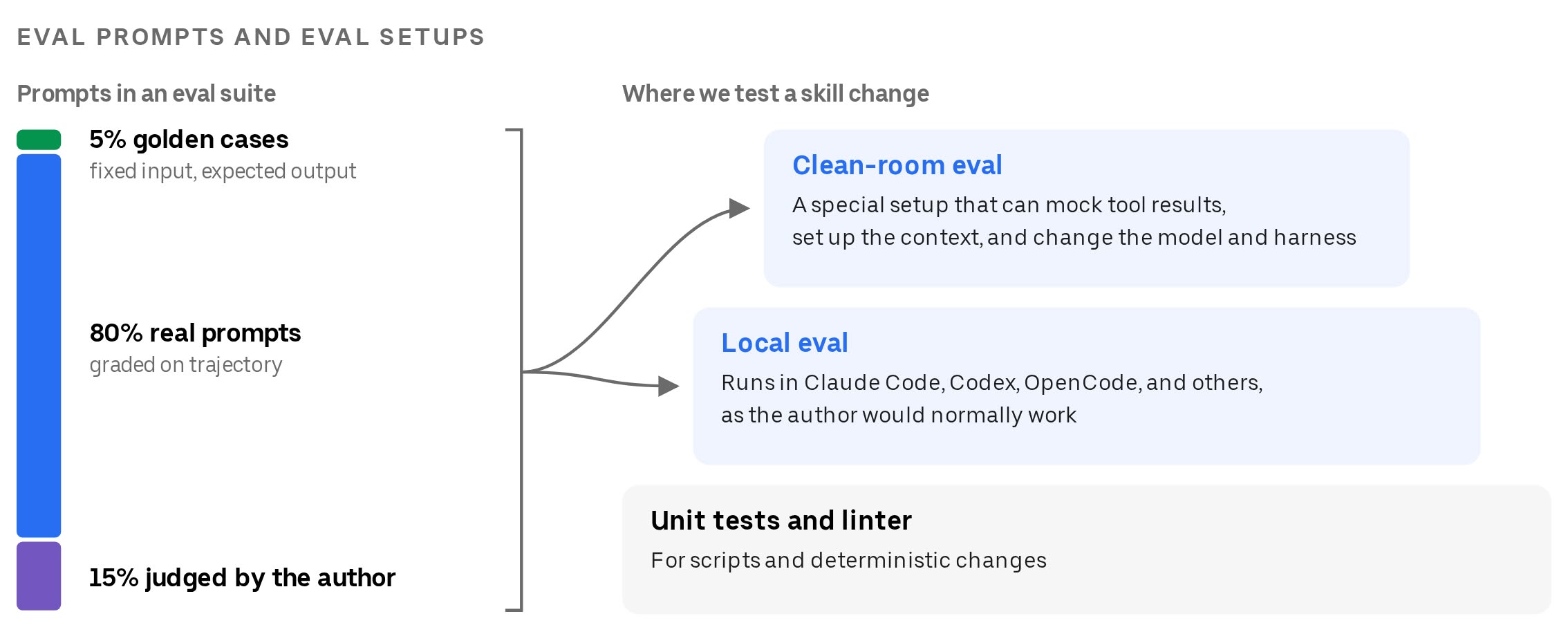
Uber recommends that about 5% of a test suite use fixed inputs and expected outputs, 80% use real prompts graded on the steps the agent takes, and 15% use cases judged by the author. Checking whether an agent queried the right table is distinct from checking whether its answer was correct. Uber uses both scores and says human-annotated examples help automated judges distinguish harmless wording changes from substantive errors.
Measuring cost and catching failures
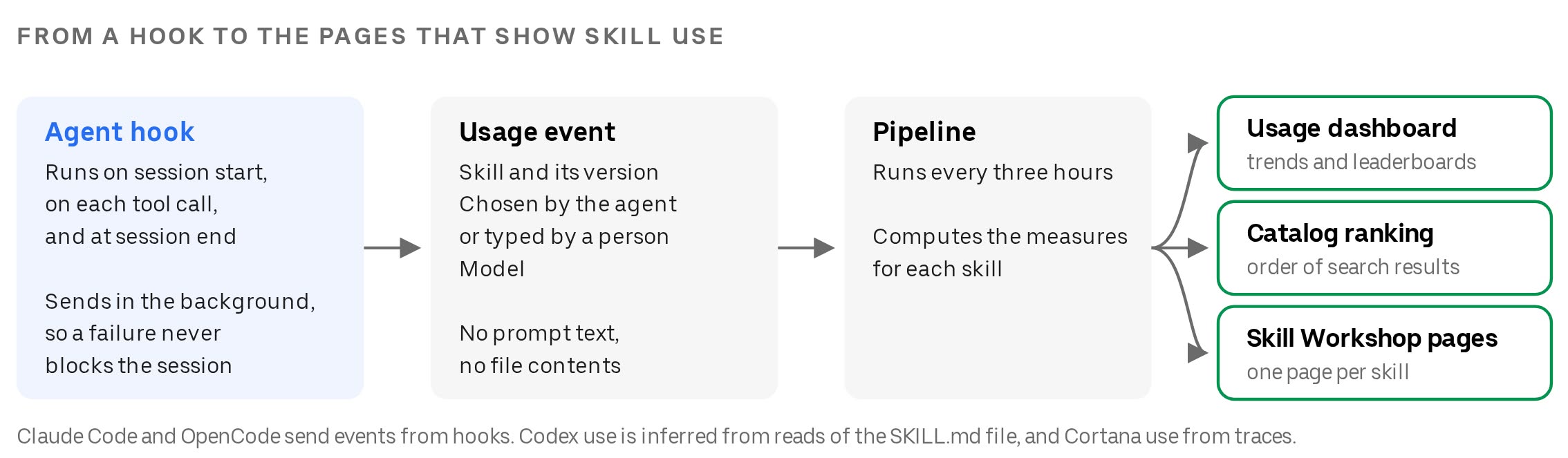
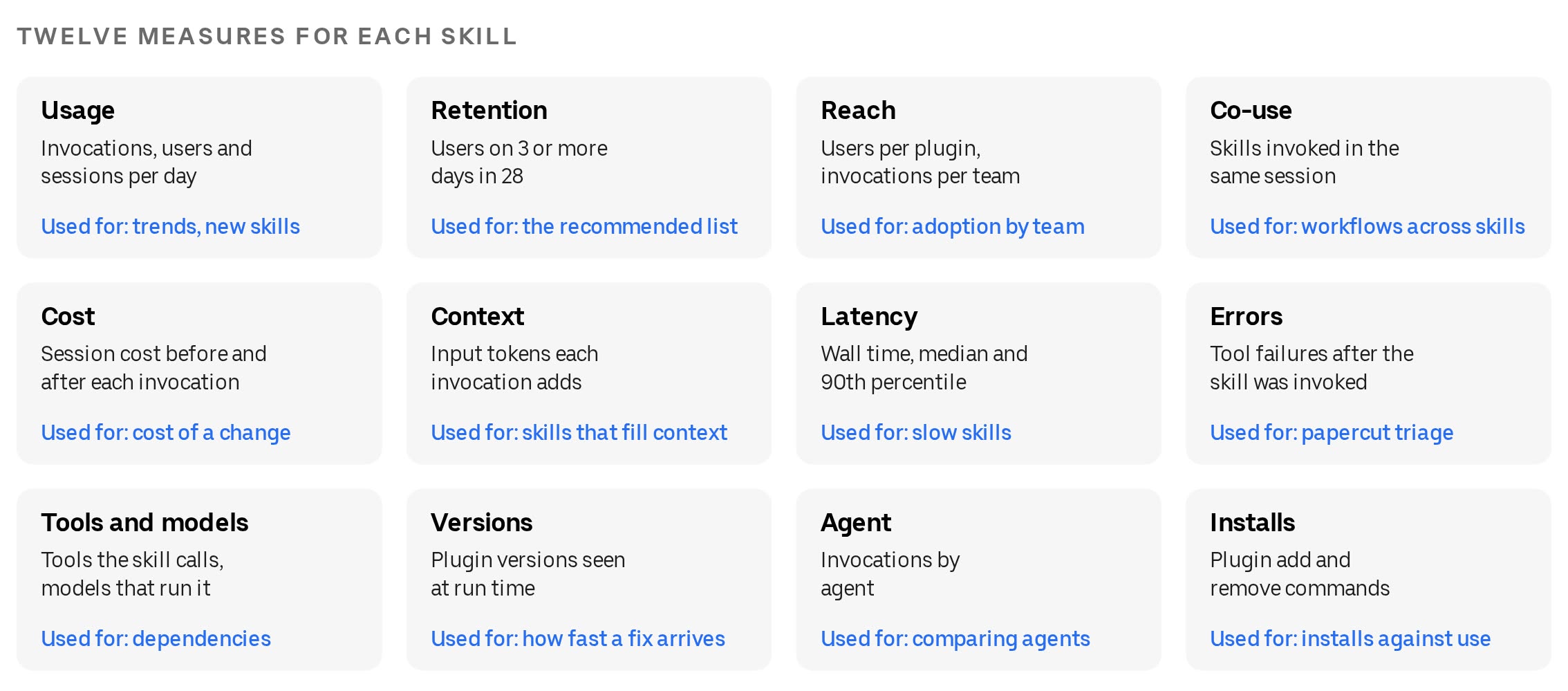
Uber’s usage events record the skill version and whether the agent selected it or a user invoked it. The events contain neither prompt text nor file contents. To estimate cost per invocation, Uber subtracts the last reported session cost before a skill call from the first one after it. That figure is useful for before-and-after comparisons, but it can include other tool calls made in the same interval.
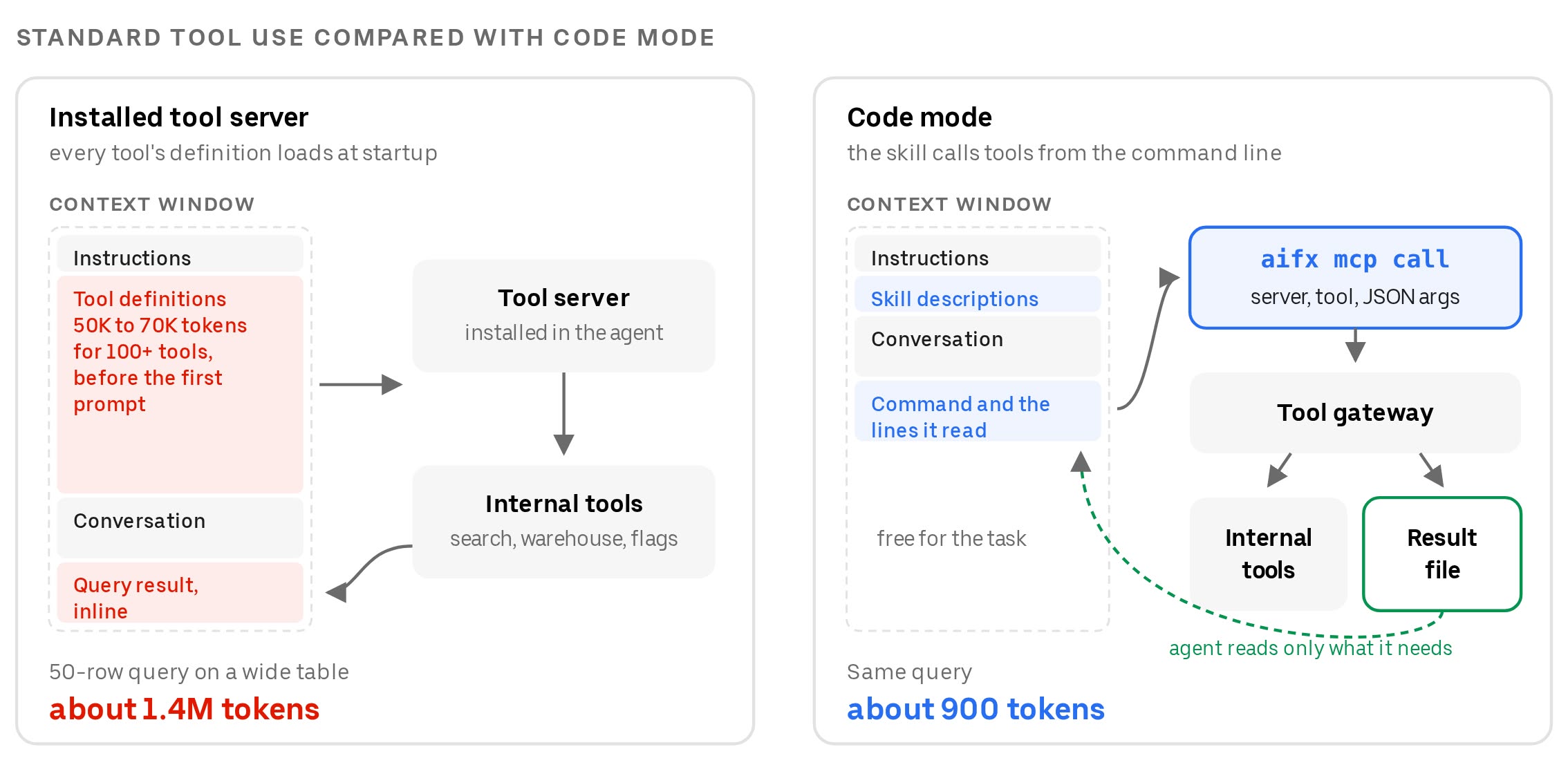
Some savings came from moving predictable work into scripts. One search skill ran a script as soon as it loaded, cutting the interaction from four model turns to three and reducing mean cost by 32%. Assigning work to a separate agent on a cheaper model yielded mixed results: cost per invocation fell 46% for a tracing skill, while a deployment skill showed no drop in its first week.
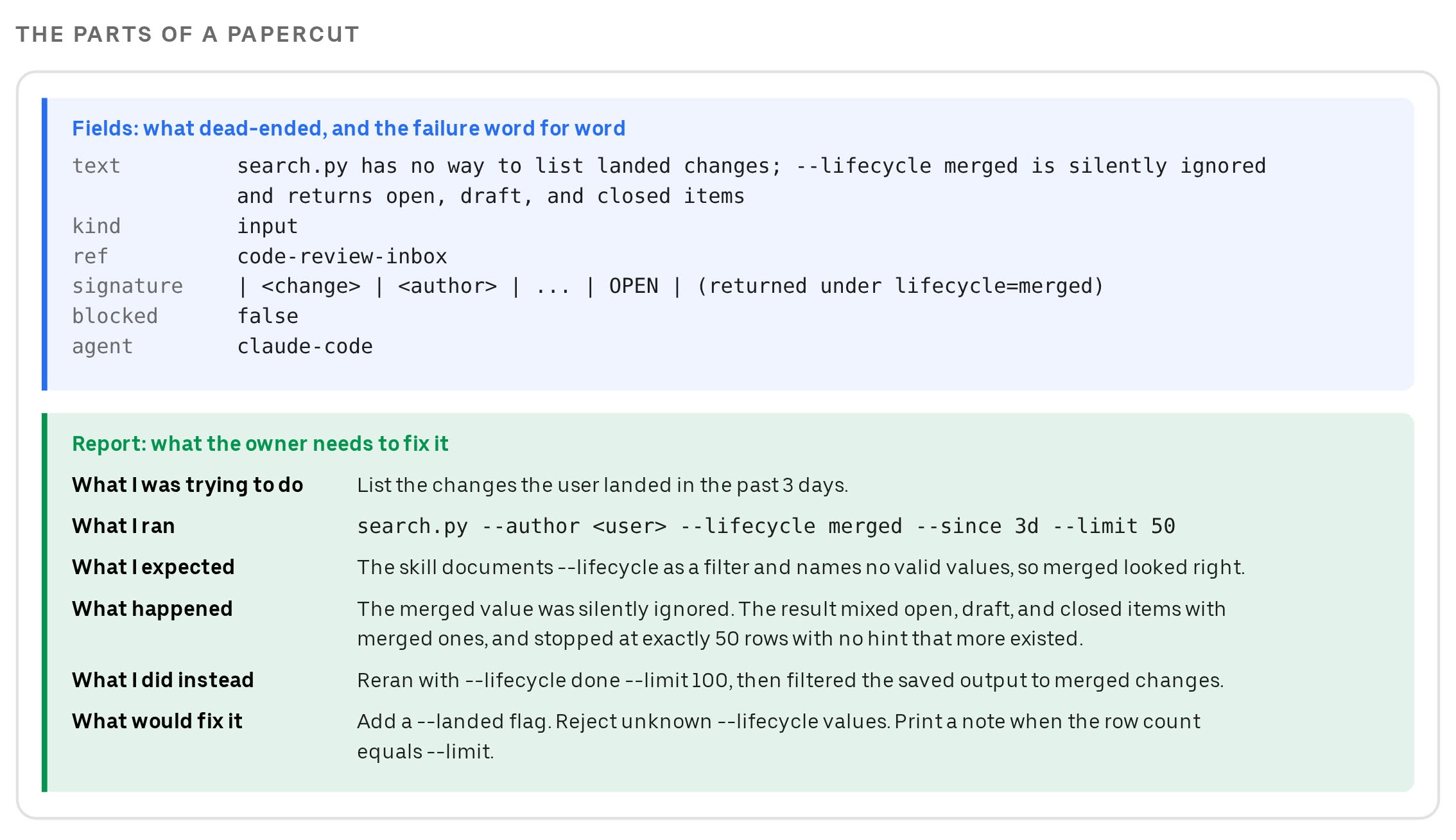
Agents can also file structured bug reports called “papercuts.” One exposed a pull-request skill that wrote commit messages to a shared temporary file, allowing two concurrent sessions to change each other’s pull requests. Uber said agents filed thousands of reports in three months and hundreds of issues were fixed. Human review supplies another check: when a maintenance agent’s pull request is blocked, Uber adds it to the evaluation set.
Uber identified an unresolved problem: workflows that run rarely but matter enough that a failure has consequences. Its next steps include A/B testing changes to important skills and compiling different instructions for different model families. Those are planned additions, not results of the tests reported so far.