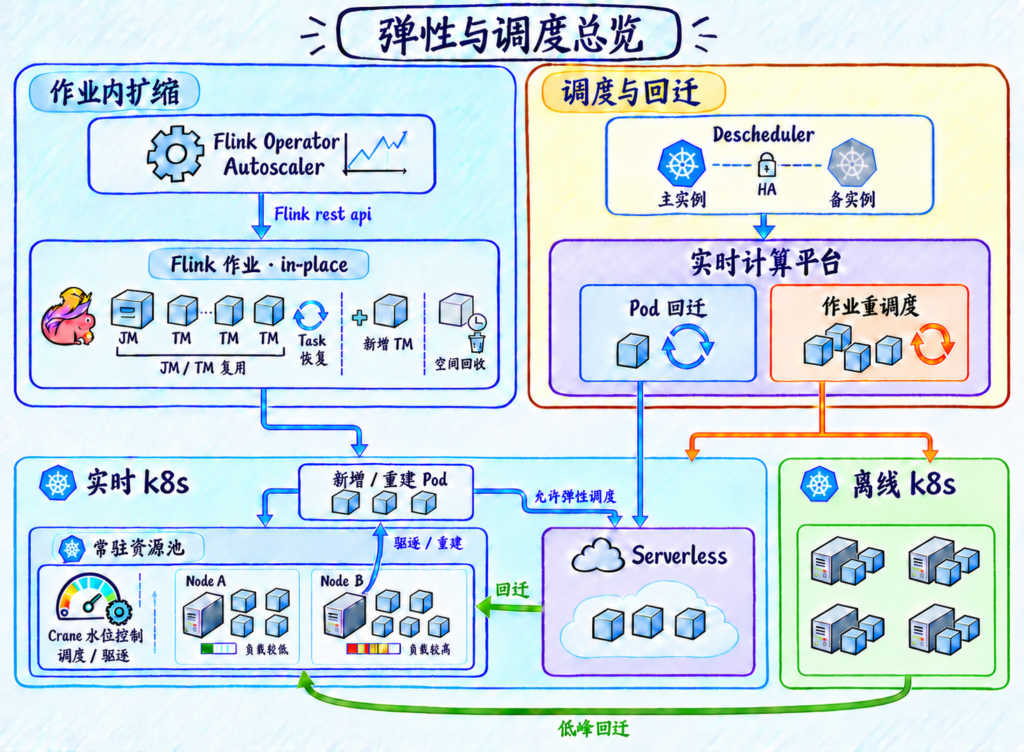
In a report published on November 16, 2026, Zuoyebang described how it combined Apache Flink autoscaling with Kubernetes cluster rescheduling. The company says jobs using its autoscaling setup consumed about 30% less compute resources than under its previous fixed-parallelism configuration. That figure is Zuoyebang’s reported operational result, not an independently verified benchmark.
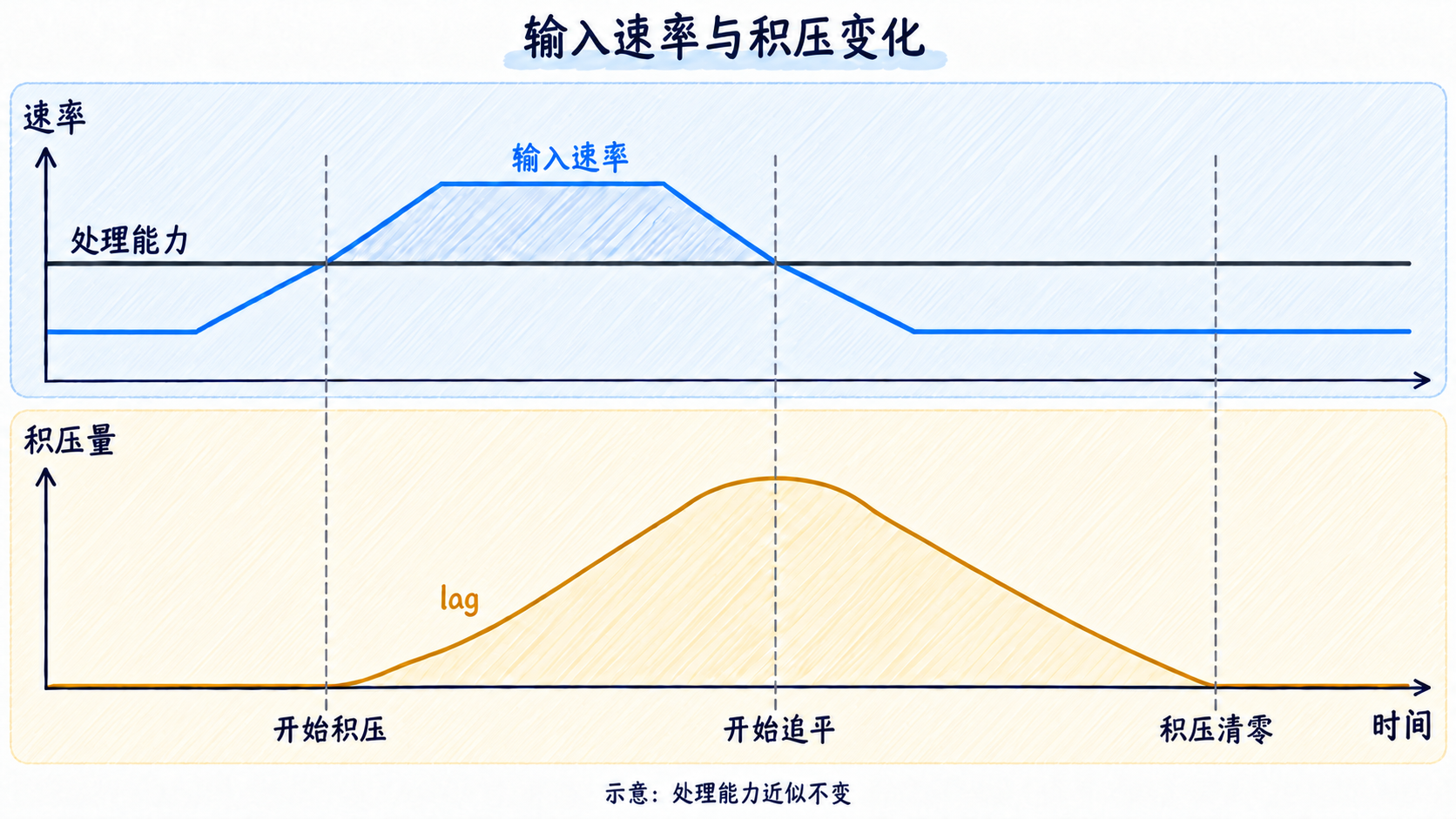
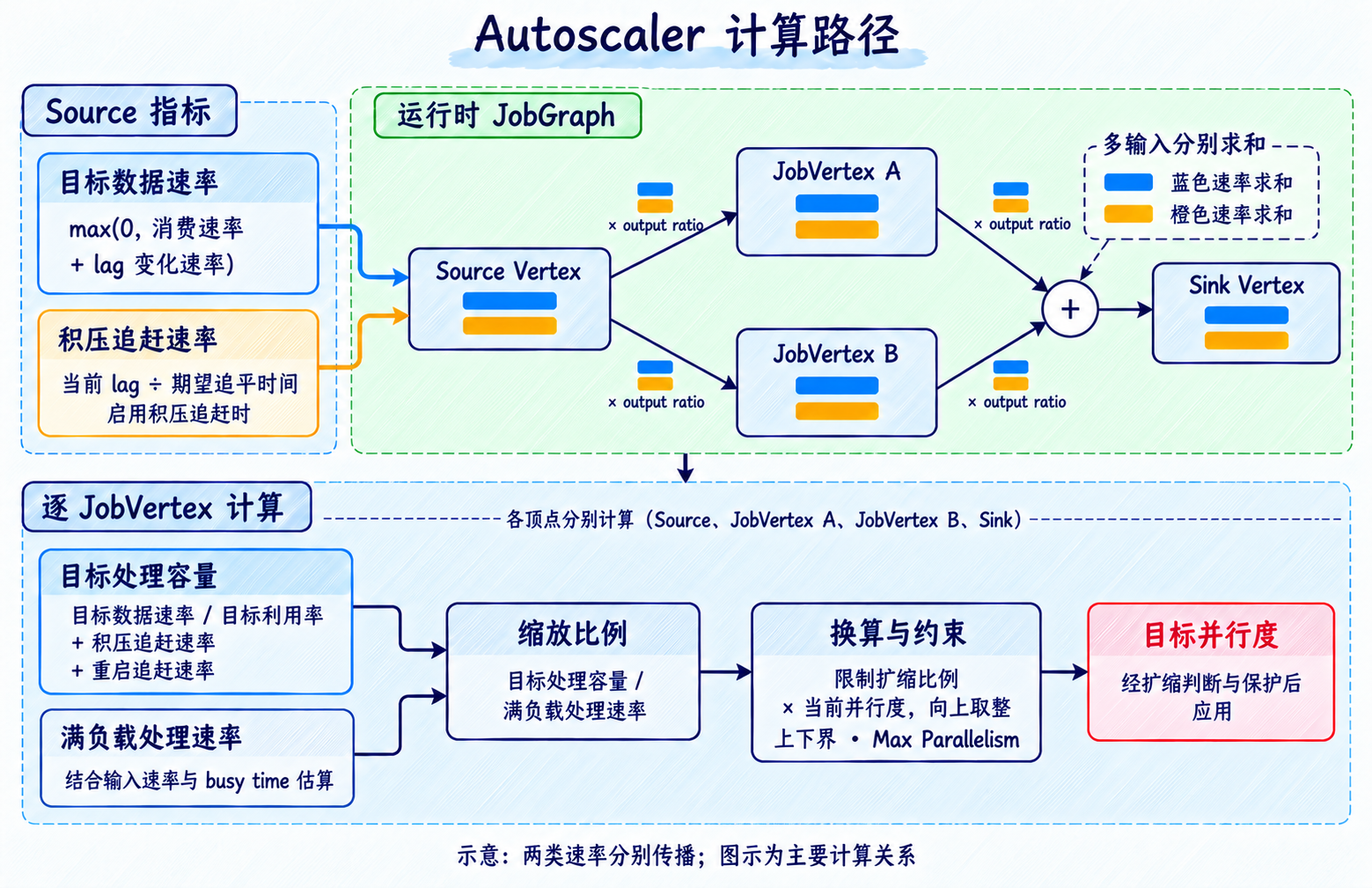
A fixed parallelism setting left capacity idle during quieter periods, while traffic spikes could create a growing backlog. Adding TaskManager Pods alone did not solve the problem: if a Flink JobVertex kept the same parallelism, new slots could remain unused. Zuoyebang therefore used the Flink Kubernetes Operator’s Autoscaler to calculate target parallelism from the job graph and runtime metrics, including source lag, processing rates and busy time. The calculation accounts for ongoing input, existing backlog and data accumulated while a job restarts.
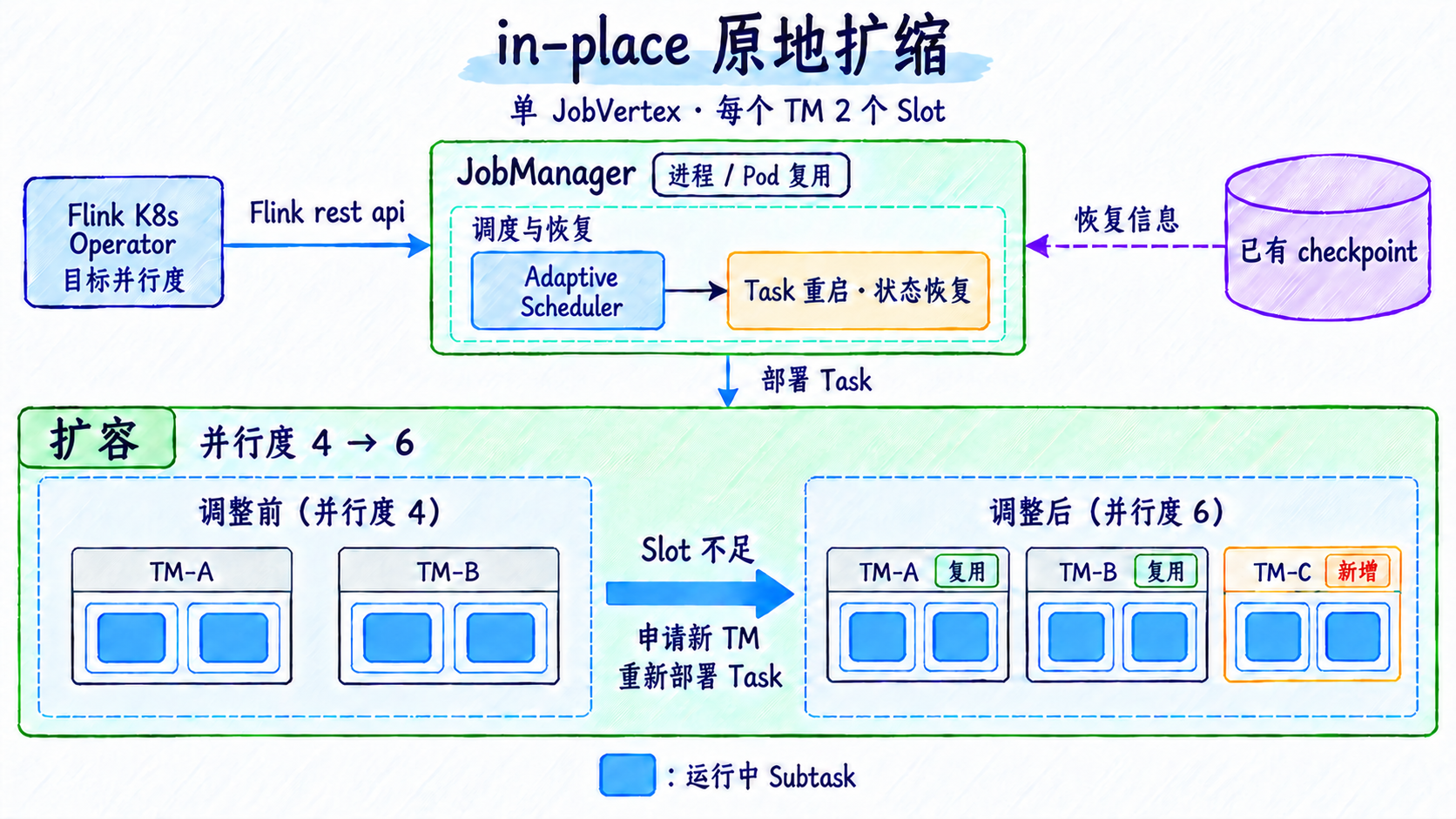
Changing parallelism still required a restart within the job. Zuoyebang used in-place scaling to retain existing JobManager and TaskManager processes and Pods while Flink rebuilt the execution graph. Stateful tasks could then recover from an available checkpoint. This reduced Pod reconstruction, but scaling down did not always release resources: remaining tasks could be spread across too many TaskManagers for any one of them to become idle.
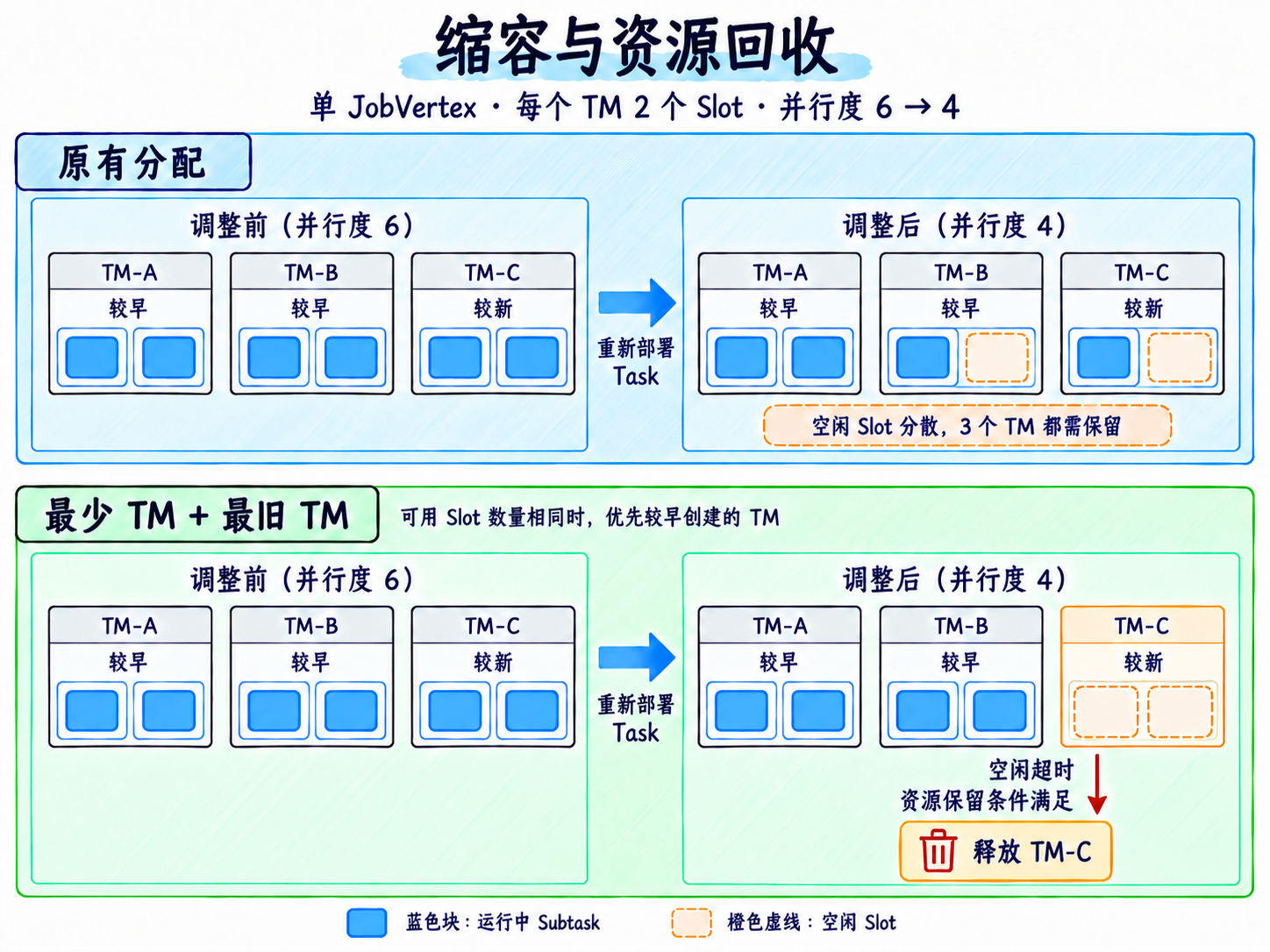
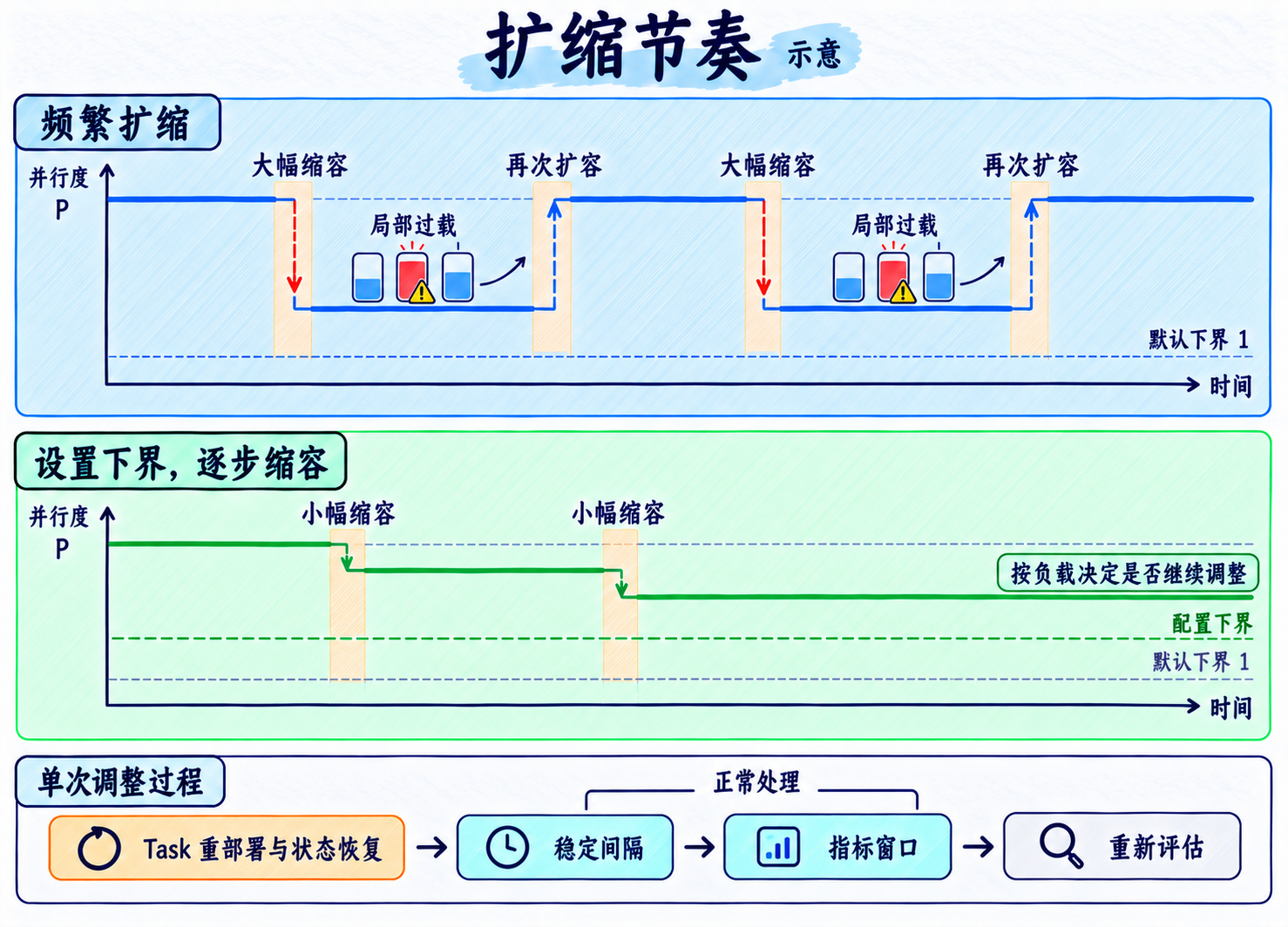
On its Flink 1.19.1 branch, Zuoyebang backported fixes associated with FLINK-33977, FLINK-36201 and FLINK-37813. These addressed task placement across TaskManagers, the choice of slot assigner and slot-count reporting during resource recovery. The team also favored older TaskManagers when available-slot counts were equal, giving newer ones a better chance to become completely idle and eligible for release. To limit disruptive scaling cycles, it set job-specific parallelism bounds and constrained how much parallelism could fall in one step.
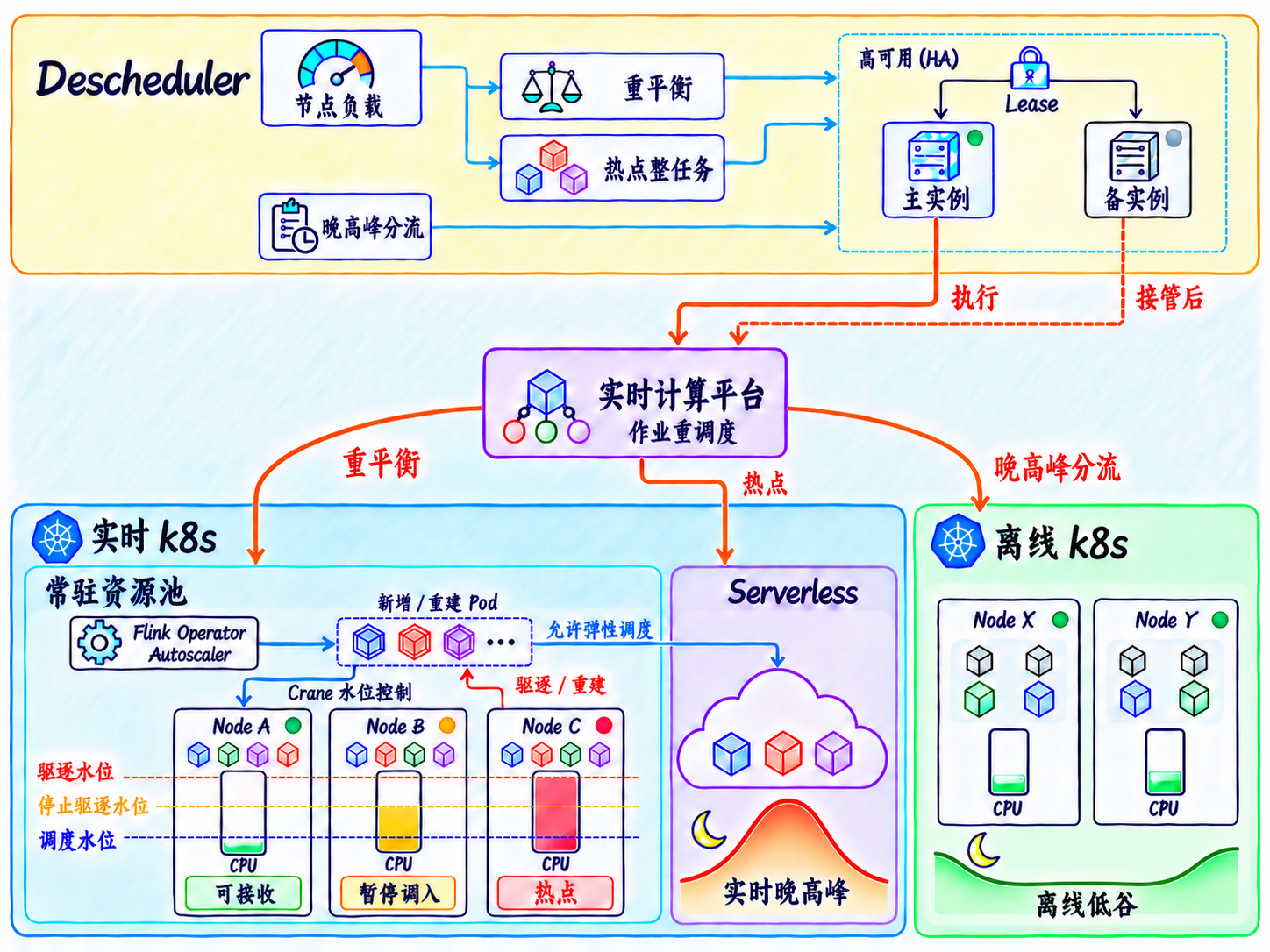
Autoscaling could not, by itself, move existing Pods off overloaded Kubernetes nodes. Zuoyebang used Crane’s node-load controls alongside a task-level Descheduler that identifies jobs contributing heavily to a hotspot and redeploys an entire job. Depending on estimated capacity, the job can be rebalanced within its resident resource pool or moved to Serverless capacity. The company also described scheduled moves to Serverless or an offline Kubernetes cluster for its usual evening peak, followed by staged returns when resident capacity became available.
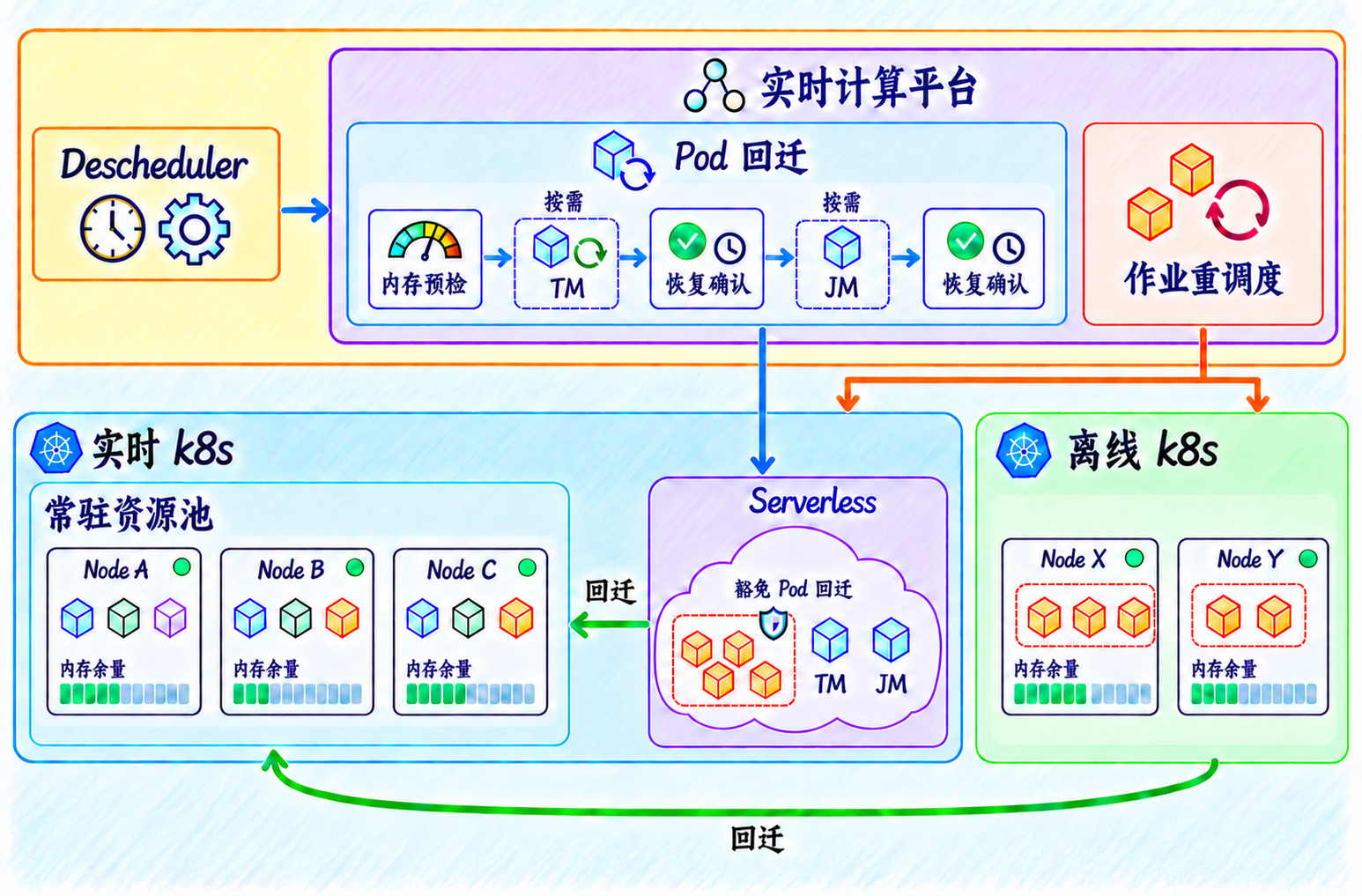
Zuoyebang reported that rescheduling eased CPU contention on hotspot nodes and improved processing speed and consumption latency. It also acknowledged a trade-off: moving a whole job can shift work that was not on a hotspot, including work that might otherwise have remained in the resident pool. More conservative scale-down settings likewise release idle resources more slowly, but reduce the risk of shrinking too far and then having to scale up again.